
Table of Contents

Magnesium is a remarkable mineral that often doesn’t get the attention it deserves. While it may not be as famous as some other minerals, like calcium or iron, magnesium plays a pivotal role in maintaining our overall health. In this article, we will delve into the world of magnesium, exploring its various benefits and types. So, let’s get started on this enlightening journey.
Introduction
Welcome to the world of magnesium, a mineral that’s often underestimated but carries tremendous significance for our well-being. This article is your guide to understanding the fascinating benefits and diverse types of magnesium. Whether you’re looking to enhance your health or simply curious about this essential mineral, this article has got you covered.
Magnesium and Benefits
Magnesium is truly a versatile mineral, and its benefits span a wide spectrum. Here are some of the remarkable advantages that magnesium offers:
1. Muscle Health
Magnesium is vital for muscle function and relaxation. It helps prevent muscle cramps and spasms, making it a go-to mineral for athletes.
2. Heart Health
Adequate magnesium intake can reduce the risk of heart disease by maintaining a healthy heart rhythm and regulating blood pressure.
3. Bone Health
Magnesium, in combination with calcium, is crucial for strong and healthy bones. It aids in the absorption of calcium, preventing osteoporosis.
4. Stress and Anxiety Reduction
This mineral has a calming effect on the nervous system, which can help alleviate stress and anxiety.
5. Improved Sleep
Magnesium can help with sleep disorders by promoting relaxation and better sleep quality.
6. Migraine Relief
For individuals suffering from migraines, magnesium supplements may help reduce the frequency and severity of these painful headaches.
7. Diabetes Management
It’s been shown that magnesium can improve insulin sensitivity, making it beneficial for those with type 2 diabetes.
8. Digestive Health
This mineral aids in the proper functioning of muscles throughout the digestive system, helping to prevent constipation.
9. Blood Sugar Regulation
Magnesium plays a role in regulating blood sugar levels, which is important for those with diabetes and those at risk of developing it.
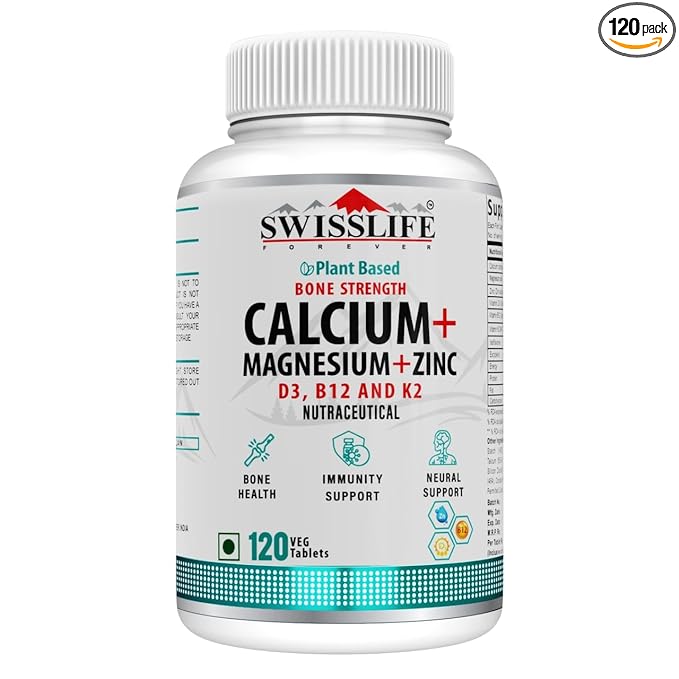
10. Energy Production
Magnesium is involved in energy metabolism, so it can help combat fatigue and boost overall energy levels.
11. Asthma Management
For individuals with asthma, magnesium may help relax the bronchial muscles and alleviate symptoms.
12. PMS Relief
Women may find relief from premenstrual symptoms, such as bloating and mood swings, through magnesium supplementation.
13. Muscle Cramp Prevention
Magnesium can help prevent muscle cramps, particularly in athletes and active individuals.
14. Bone Health
In addition to calcium, magnesium is essential for maintaining strong bones and preventing osteoporosis.
15. Immune System Support
Adequate magnesium levels can enhance the immune system’s functionality, helping your body fight off infections.
16. Hypertension Control
Magnesium may help lower blood pressure levels, reducing the risk of hypertension.
17. Healthy Skin
Magnesium is essential for skin health, as it supports collagen production and tissue repair.

18. Dental Health
It contributes to healthy teeth and gums, preventing dental issues like cavities and gum disease.
19. Mood Enhancement
Magnesium has a calming effect on the nervous system, potentially alleviating stress and improving mood.
20. Weight Management
Maintaining healthy magnesium levels can aid in weight management and reduce the risk of obesity.
21. Kidney Stone Prevention
Magnesium can help prevent the formation of kidney stones by binding to oxalate in the body.
22. Nerve Function
This mineral is essential for proper nerve function, ensuring smooth communication between your brain and body.
23. Anti-Inflammatory Effects
Magnesium exhibits anti-inflammatory properties, which can alleviate inflammation-related conditions.
24. Headache Relief
For migraine sufferers, magnesium supplements may reduce the frequency and severity of attacks.
25. Anti-Aging Benefits
Magnesium supports DNA repair and cellular health, contributing to a youthful appearance.
Magnesium Types
There isn’t just one type of magnesium; there are several forms, each with its unique characteristics. Let’s explore some of the common types:
1. Magnesium Citrate
Magnesium citrate is highly absorbable and often used as a laxative or to promote bowel regularity. It’s an excellent choice for those with constipation.
2. Magnesium Oxide
This form contains a higher percentage of magnesium but is less bioavailable. It’s used to prevent magnesium deficiency but may cause digestive upset.
3. Magnesium Glycinate
Magnesium glycinate is well-absorbed and gentle on the stomach, making it an excellent choice for those with digestive sensitivities.
4. Magnesium Chloride
Commonly found in topical products like lotions and oils, magnesium chloride is absorbed through the skin and can help with muscle relaxation and stress relief.
5. Magnesium Sulfate (Epsom Salt)
Epsom salt is often used in baths to soothe sore muscles and promote relaxation. It can also be taken orally in small amounts.
6. Magnesium Threonate
This form is known for its ability to cross the blood-brain barrier, making it potentially beneficial for cognitive function and brain health.

Frequently Asked Questions
Q: Can I get enough magnesium from my diet alone?
A: While it’s possible to obtain magnesium from your diet, many people benefit from supplements to ensure they meet their daily needs.
Q: Are there any side effects of magnesium supplementation?
A: Excessive magnesium intake can lead to diarrhea, nausea, and abdominal cramps. It’s essential to follow recommended dosages.
Q: What foods are rich in magnesium?
A: Foods like nuts, seeds, dark chocolate, leafy greens, and whole grains are excellent sources of magnesium.
Q: How can I determine if I have a magnesium deficiency?
A: Common signs of magnesium deficiency include muscle cramps, fatigue, and irregular heart rhythms. A blood test can provide a definitive diagnosis.
Q: Can magnesium supplements interact with medications?
A: Yes, magnesium supplements may interact with certain medications. Consult your healthcare provider before starting any new supplement regimen.
Q: Is it possible to overdose on magnesium?
A: While magnesium overdoses from dietary sources are rare, it’s crucial not to exceed recommended dosages when using supplements.
Conclusion
In conclusion, magnesium is a true gem in the world of minerals, offering an array of health benefits and a variety of forms to suit individual preferences and needs. Whether you’re seeking to improve muscle function, reduce stress, enhance sleep, or support heart health, magnesium can be a valuable addition to your daily routine. Remember to consult with a healthcare professional before making any significant changes to your diet or supplement regimen to ensure that magnesium is right for you.
Get lifetime Access to My Private Prompts Library: https://ko-fi.com/chatgpt_prompts_library
here are some useful products link
https://healthy-you.co.in/wp-admin/post.php?post=94&action=edit
https://healthy-you.co.in/wp-admin/post.php?post=26&action=edit