
Table of Contents
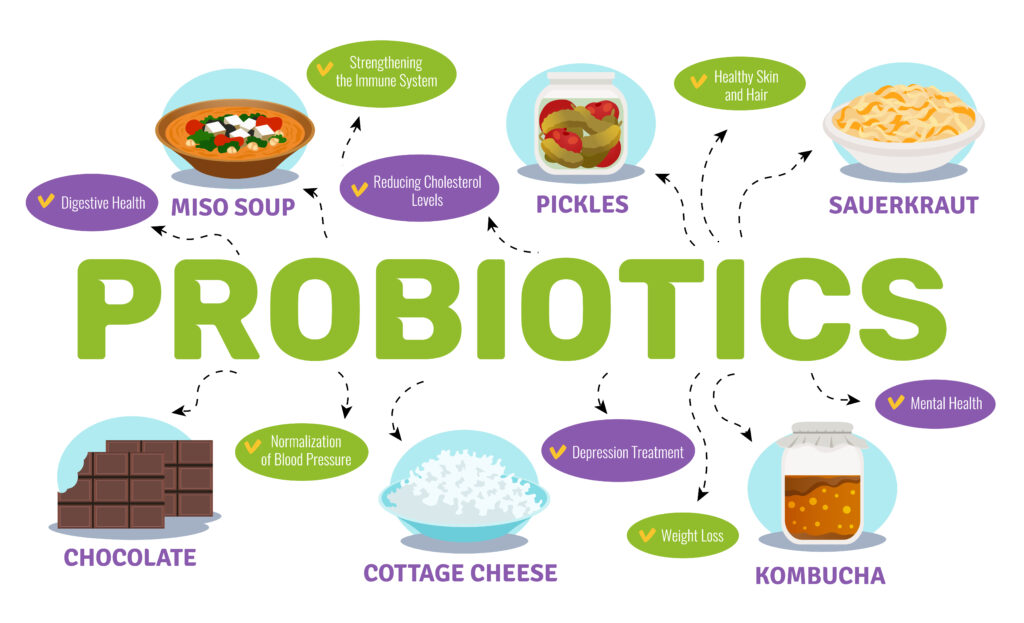
Definition and Types of Probiotics
Probiotics are live microorganisms, mainly bacteria and yeast, that offer health benefits when consumed in adequate quantities. These microorganisms are often referred to as “good” or “friendly” bacteria because of their positive impact on our health. The two most common types of probiotics are:
- Bacteria:
- Lactobacillus: Found in yogurt and other fermented foods, Lactobacillus is a diverse group of bacteria known for its role in promoting a healthy balance in the digestive system.
- Bifidobacterium: These bacteria reside in the intestines and aid in the digestion of complex carbohydrates. They are commonly found in dairy products.
- Yeast:
- Saccharomyces boulardii: This yeast strain has been studied for its ability to prevent and treat various gastrointestinal issues. It’s often used in probiotic supplements.
Importance of a Balanced Gut Microbiome
Imagine your gut as a bustling ecosystem, teeming with trillions of microorganisms. This community of bacteria, fungi, and other microbes forms your gut microbiome. Maintaining a balanced and diverse gut microbiome is crucial for several reasons:
- Digestive Health:
- Probiotics contribute to the breakdown of food and the absorption of nutrients in the digestive tract. They help maintain a harmonious environment, preventing issues like indigestion and bloating.
- Immune System Support:
- The majority of our immune system resides in the gut. Probiotics play a pivotal role in supporting immune function, helping the body defend against harmful pathogens.
- Nutrient Absorption:
- Certain probiotics enhance the absorption of nutrients, ensuring that the body receives the maximum benefit from the food we consume.
- Preventing Harmful Microorganisms:
- A well-balanced gut microbiome acts as a barrier, preventing the overgrowth of harmful bacteria and fungi that can lead to infections and other health issues.
- Mental Well-being:
- Recent research has unveiled the “gut-brain axis,” highlighting the connection between the gut and the brain. Probiotics may positively influence mental health by modulating this axis.

Supporting Digestive Health
One of the primary benefits of probiotics is their remarkable impact on digestive health. These beneficial microorganisms play a crucial role in maintaining a balanced gut microbiome, which is essential for efficient digestion. Here’s how probiotics support digestive well-being:
- Balancing Gut Flora:
- Probiotics help maintain a harmonious balance between the “good” and “bad” bacteria in the digestive tract. This balance is crucial for preventing digestive issues such as constipation, diarrhea, and irritable bowel syndrome (IBS).
- Enhancing Nutrient Absorption:
- By promoting a healthy gut environment, probiotics optimize the absorption of nutrients from the food we eat. This ensures that our bodies receive the full spectrum of essential vitamins and minerals necessary for overall well-being.
- Alleviating Digestive Discomfort:
- Probiotics have been shown to alleviate symptoms of common digestive discomforts, such as bloating and gas. They do so by improving the efficiency of the digestive process and reducing inflammation in the gut.
- Supporting a Strong Gut Barrier:
- A robust gut barrier is essential for preventing the entry of harmful substances into the bloodstream. Probiotics contribute to the maintenance of this barrier, protecting against infections and promoting overall gut integrity.
Strengthening the Immune System
The link between a healthy gut and a strong immune system is well-established. Probiotics play a pivotal role in fortifying the body’s defense mechanisms:
- Modulating Immune Response:
- Probiotics stimulate the production of immune cells and enhance their activity. This modulation of the immune response helps the body respond more effectively to infections and external threats.
- Reducing the Incidence of Infections:
- Regular consumption of probiotics has been associated with a decreased risk of respiratory infections, gastrointestinal infections, and other common illnesses. This is attributed to their ability to enhance the body’s natural defenses.
- Managing Inflammatory Responses:
- Chronic inflammation is linked to various health issues. Probiotics have anti-inflammatory properties, helping to regulate the body’s inflammatory responses and prevent the development of chronic inflammatory conditions.
Enhancing Nutrient Absorption
Probiotics contribute to the optimization of nutrient absorption, ensuring that the body derives maximum benefits from the food we consume:
- Breaking Down Complex Compounds:
- Certain probiotic strains assist in breaking down complex carbohydrates and other nutrients, making them more easily absorbable in the intestines.
- Producing Bioactive Compounds:
- Probiotics can produce bioactive compounds such as short-chain fatty acids, which play a role in nutrient absorption and have beneficial effects on overall health.
- Preventing Nutrient Deficiencies:
- By promoting a healthy gut microbiome, probiotics help prevent conditions that could lead to nutrient deficiencies. This is crucial for maintaining optimal health and preventing related issues.
Different Strains for Different Benefits
- Lactobacillus Acidophilus:
- Benefit: Primarily known for promoting digestive health, Lactobacillus acidophilus is beneficial for individuals dealing with lactose intolerance and those seeking relief from irritable bowel syndrome (IBS) symptoms.
- Bifidobacterium bifidum:
- Benefit: This strain is crucial for maintaining a healthy balance in the gut microbiome. It aids in the digestion of complex carbohydrates, supports the immune system, and may alleviate symptoms of digestive issues.
- Lactobacillus Rhamnosus:
- Benefit: With a focus on immune system support, L. rhamnosus is known to reduce the risk of respiratory and gastrointestinal infections. It’s particularly beneficial for those prone to infections or looking to boost overall immune function.
- Saccharomyces boulardii:
- Benefit: As a yeast probiotic, S. boulardii is effective in preventing and treating diarrhea, especially that associated with antibiotic use. It’s a valuable addition for those seeking gastrointestinal balance.
- Lactobacillus Plantarum:
- Benefit: Recognized for its versatility, L. plantarum is known to survive in harsh stomach conditions, reaching the intestines intact. It contributes to digestive health and has anti-inflammatory properties, making it a valuable strain for various health concerns.
Factors to Consider When Selecting a Probiotic Supplement
- Strain Diversity:
- Importance: A diverse array of probiotic strains can provide a broader spectrum of health benefits. Look for supplements containing a mix of Lactobacillus and Bifidobacterium strains for comprehensive support.
- Colony Forming Units (CFUs):
- Importance: The number of live bacteria in a supplement is measured in CFUs. Consider your health goals; higher CFUs may be beneficial for specific conditions, while a lower count could be suitable for general well-being.
- Survivability and Viability:
- Importance: Probiotics need to survive the journey through the stomach acid to reach the intestines where they exert their benefits. Choose supplements with technologies like delayed-release capsules or microencapsulation for enhanced survivability.
- Prebiotics and Synbiotics:
- Importance: Some supplements include prebiotics, which nourish the probiotics, enhancing their effectiveness. Synbiotics combine both prebiotics and probiotics for a synergistic effect, promoting a thriving gut environment.
- Research and Reviews:
- Importance: Look for probiotic supplements backed by scientific research and positive customer reviews. This ensures the product’s efficacy and safety.
- Health Goals and Conditions:
- Importance: Tailor your choice based on your specific health goals. Whether you seek immune support, digestive health, or relief from a particular condition, selecting the right strain aligns with your objectives.
Natural Sources of Probiotics
- Yogurt:
- Benefits: Yogurt is a well-known source of probiotics, particularly containing strains like Lactobacillus bulgaricus and Streptococcus thermophilus. Opt for plain, unsweetened yogurt for maximum probiotic benefits.
- Kefir:
- Benefits: Kefir is a fermented milk drink that provides a diverse range of probiotic strains. It’s rich in probiotics like Lactobacillus kefiranofaciens, Lactobacillus kefir, and others. Choose plain or flavored kefir as per your preference.
- Sauerkraut:
- Benefits: Fermented cabbage in sauerkraut is a source of Lactobacillus bacteria. It’s a tasty addition to salads, sandwiches, or even as a side dish.
- Kimchi:
- Benefits: A staple in Korean cuisine, kimchi is a fermented vegetable dish, usually made with cabbage and radishes. It contains probiotics like Lactobacillus brevis and Lactobacillus plantarum.
- Miso:
- Benefits: Miso, a traditional Japanese seasoning made by fermenting soybeans with salt and koji, contains probiotics like Lactobacillus acidophilus. Use miso in soups, dressings, or marinades.
- Pickles (fermented in brine):
- Benefits: Pickles that are fermented in brine, rather than made with vinegar, can be a source of probiotics. Look for naturally fermented pickles to ensure probiotic content.
Tips for Including Probiotic-Rich Foods in Your Meals
- Smoothies:
- How to Include: Blend yogurt or kefir into your morning smoothies. Add fruits and a handful of spinach for a nutritious and probiotic-packed breakfast.
- Parfaits:
- How to Include: Layer yogurt with granola and fresh fruits to create a delicious parfait. It’s not only visually appealing but also a delightful way to enjoy probiotics.
- Salad Dressings:
- How to Include: Mix kefir or buttermilk with herbs to create a probiotic-rich salad dressing. Drizzle it over your favorite salads for a tangy and healthy twist.
- Probiotic Bowls:
- How to Include: Build a bowl with a base of fermented foods like sauerkraut or kimchi. Top it with grains, proteins, and veggies for a well-balanced, probiotic-infused meal.
- Probiotic Snacks:
- How to Include: Enjoy pickles, yogurt, or kefir as standalone snacks. These can be convenient options to incorporate probiotics into your daily routine.
- Homemade Fermented Sides:
- How to Include: Experiment with fermenting your own vegetables at home, such as pickles or fermented carrots. This ensures freshness and allows you to tailor the flavors to your liking.
Incorporating probiotics into your diet doesn’t have to be a complicated task. With a variety of delicious options available, you can easily transform your meals into a feast for your gut microbiome. Experiment with different probiotic-rich foods and find enjoyable ways to make them a regular part of your culinary repertoire. Your taste buds and your digestive system will thank you for it!
The Gut-Brain Connection
- Microbiota and Neurotransmitters:
- The gut is home to trillions of microorganisms, collectively known as the gut microbiota. These microorganisms actively communicate with the brain through the production of neurotransmitters. For example, certain probiotics can influence the production of serotonin, a neurotransmitter associated with mood regulation.
- Inflammation and Mental Health:
- Imbalances in the gut microbiota can lead to increased inflammation. Chronic inflammation is implicated in various mental health conditions, including depression and anxiety. Probiotics contribute to a balanced microbiome, potentially reducing inflammation and its impact on mental well-being.
- Stress Response:
- The gut microbiota can modulate the body’s stress response. Probiotics may influence the production of stress hormones and play a role in mitigating the physiological effects of stress on the body.
- How Probiotics Can Positively Impact Mental Well-being
- Reducing Symptoms of Depression and Anxiety:
- Some studies suggest that certain probiotic strains can alleviate symptoms of depression and anxiety. The mechanisms involve the regulation of neurotransmitters, inflammation, and the gut-brain axis.
- Improving Mood and Cognitive Function:
- Regular consumption of probiotics has been associated with improvements in mood and cognitive function. The gut-brain axis facilitates communication that can positively influence mental clarity, focus, and overall cognitive performance.
- Stress Resilience:
- Probiotics may enhance the body’s resilience to stress. By modulating the stress response system, they can help individuals cope more effectively with challenging situations.
- Potential for Adjunctive Therapy:
- While probiotics are not a substitute for traditional mental health treatments, they show promise as adjunctive therapy. Incorporating probiotics into a comprehensive approach to mental health may offer additional benefits.
- Impact on Neurotransmitter Production:
- Certain probiotics, particularly those of the Lactobacillus and Bifidobacterium genera, have been shown to influence the production of neurotransmitters such as gamma-aminobutyric acid (GABA) and serotonin. These neurotransmitters play key roles in mood regulation.
- Considerations for Probiotics and Mental Health
- Strain-Specific Effects:
- Different probiotic strains may have varying effects on mental health. Research indicates that specific strains, such as Lactobacillus rhamnosus and Bifidobacterium longum, show promise in mental health applications.
- Individual Variability:
- Responses to probiotics can vary among individuals. Factors such as diet, lifestyle, and the existing state of the gut microbiome contribute to this variability.
- Dosage and Duration:
- Optimal dosage and duration of probiotic supplementation for mental health benefits are still areas of ongoing research. Consulting with healthcare professionals can help determine personalized approaches.
- Holistic Approach:
- Probiotics are part of a broader strategy for mental health. A holistic approach that includes a balanced diet, regular exercise, and stress management complements the potential benefits of probiotics.
Addressing Specific Health Concerns for Women
- Vaginal Health:
- Importance: The vagina has its own delicate microbial balance. Disruptions can lead to issues like bacterial vaginosis or yeast infections. Probiotics, particularly Lactobacillus strains, help maintain an acidic environment, preventing the overgrowth of harmful bacteria and supporting overall vaginal health.
- Urinary Tract Health:
- Importance: Urinary tract infections (UTIs) are common in women. Probiotics, by promoting a healthy balance of bacteria in the gut and urinary tract, may help prevent recurrent UTIs.
- Hormonal Balance:
- Importance: Fluctuations in hormones, particularly during the menstrual cycle, pregnancy, and menopause, can influence the gut microbiome. Probiotics may contribute to hormonal balance indirectly by supporting gut health.
- Digestive Health During Pregnancy:
- Importance: Pregnancy can sometimes lead to digestive issues. Probiotics may help alleviate symptoms of constipation, bloating, and indigestion, offering relief during this crucial time.
Supporting a Healthy Microbiome During Different Life Stages
- Adolescence:
- Consideration: As girls transition into womanhood, hormonal changes can impact the gut microbiome. Probiotics may help maintain a healthy balance during this period of development.
- Pregnancy:
- Consideration: Pregnancy introduces unique challenges to the digestive system. Probiotics may assist in managing common pregnancy-related digestive discomforts and contribute to a healthy gut environment for both the mother and the developing fetus.
- Menopause:
- Consideration: Changes in hormonal levels during menopause can affect the gut microbiome. Probiotics may offer support during this transitional phase, helping to alleviate digestive issues and support overall well-being.
Myths and Misconceptions About Women’s Health and Probiotics
- Myth: Probiotics Are Only Beneficial for Digestive Health:
- Clarification: While probiotics are known for their digestive benefits, they have broader implications for women’s health. From vaginal health to hormonal balance, the influence of probiotics extends beyond the digestive system.
- Myth: All Probiotics Are the Same:
- Clarification: Probiotic strains differ in their functions. For women’s health, strains like Lactobacillus reuteri and Lactobacillus rhamnosus are often highlighted for their specific benefits.
Tailoring Probiotic Intake Based on Women’s Health Goals
- Choosing Strains for Specific Benefits:
- Recommendation: Tailor probiotic intake based on specific health goals. For vaginal health, consider probiotics with Lactobacillus crispatus or Lactobacillus reuteri. For overall digestive health, a combination of Lactobacillus and Bifidobacterium strains may be beneficial.
- Consultation with Healthcare Professionals:
- Recommendation: Women with specific health concerns, such as chronic digestive issues, recurring infections, or those undergoing major life changes like pregnancy or menopause, should consult with healthcare professionals for personalized advice on probiotic use.
Myths and Misconceptions About Probiotics
Myth 1: All Bacteria Are Harmful
- Misconception: There’s a widespread belief that all bacteria are harmful and cause infections.
- Reality: Not all bacteria are created equal. Probiotics are beneficial bacteria that promote a healthy balance in the gut microbiome. They contribute to digestion, nutrient absorption, and support the immune system.
Myth 2: Probiotics Only Benefit Digestive Health
- Misconception: Many people think that the only benefit of probiotics is improved digestion.
- Reality: While digestive health is a significant aspect, probiotics have far-reaching effects. They influence the immune system, support mental health, and contribute to various aspects of overall well-being.
Myth 3: All Probiotic Supplements Are the Same
- Misconception: People often assume that all probiotic supplements are identical, regardless of the brand or strain.
- Reality: Probiotic supplements vary in terms of the strains they contain, their potency, and additional ingredients. Different strains offer different benefits, so it’s essential to choose a supplement tailored to your specific health goals.
Myth 4: Probiotics Are Only for Digestive Issues
- Misconception: Some believe that probiotics are only necessary when experiencing digestive problems.
- Reality: Probiotics are beneficial for maintaining overall gut health, even in the absence of digestive issues. They contribute to a balanced microbiome, supporting various bodily functions.
Myth 5: Probiotics Are Destroyed by Stomach Acid
- Misconception: There’s a common belief that the majority of probiotics are destroyed by stomach acid, rendering them ineffective.
- Reality: While some bacteria may not survive stomach acid, many probiotic strains have mechanisms to withstand acidic environments. Additionally, advancements in supplement technology, like enteric coatings, help protect probiotics on their journey to the intestines.
Myth 6: All Fermented Foods Are Probiotic-Rich
- Misconception: People sometimes assume that all fermented foods automatically contain high levels of probiotics.
- Reality: While many fermented foods do contain probiotics, the levels can vary. Factors like preparation methods and storage conditions influence the probiotic content. Not all fermented foods may provide a substantial amount of live, beneficial bacteria.
Myth 7: Probiotics Are Only for Adults
- Misconception: There’s a belief that probiotics are exclusively for adults and not suitable for children.
- Reality: Probiotics can be beneficial for people of all ages, including infants and children. However, the choice of strains and dosage may vary based on age and specific health needs.
Myth 8: More Probiotics Equal Better Results
- Misconception: Some individuals think that taking higher doses of probiotics will yield better results.
- Reality: The optimal dosage depends on individual health goals. For general well-being, a lower dosage may be sufficient, while specific health conditions might require higher concentrations. It’s essential to consider individual needs and consult with healthcare professionals if necessary.
Myth 9: Probiotics Can Replace a Balanced Diet
- Misconception: Some believe that taking probiotics can compensate for an unhealthy or unbalanced diet.
- Reality: While probiotics are valuable, they are not a substitute for a nutritious diet. A healthy diet, rich in fiber, fruits, and vegetables, provides essential nutrients that support the overall health of the gut microbiome.
Myth 10: Probiotics Are Only for People with Digestive Disorders
- Misconception: There’s a misconception that probiotics are only beneficial for individuals with diagnosed digestive disorders.
- Reality: Probiotics can be beneficial for everyone, contributing to general health and well-being. They may help prevent certain digestive issues and support overall gut health.
Prebiotics: The Unsung Heroes
Understanding Prebiotics
- Definition:
- What Are Prebiotics? Prebiotics are non-digestible fibers found in certain foods that serve as a fuel source for beneficial bacteria in the gut. Unlike probiotics, which are live bacteria, prebiotics are essentially the food that nourishes these good bacteria.
- Natural Sources:
- Found in Foods: Prebiotics are naturally present in various foods, with some of the most common sources being garlic, onions, leeks, asparagus, bananas, and whole grains.
The Role of Prebiotics in Gut Health
- Feeding Beneficial Bacteria:
- Nutrient Source: Prebiotics act as a nutrient source for probiotics, fostering their growth and activity. By nourishing these beneficial bacteria, prebiotics contribute to the overall health and balance of the gut microbiome.
- Promoting Microbial Diversity:
- Diverse Impact: Different prebiotics have specific effects on various strains of bacteria. Consuming a variety of prebiotic-rich foods can promote a diverse microbiome, which is associated with better health outcomes.
- Maintaining Gut Barrier Function:
- Enhancing Integrity: Prebiotics contribute to the integrity of the gut barrier. A healthy gut barrier prevents harmful substances from entering the bloodstream and supports the proper absorption of nutrients.
- Producing Short-Chain Fatty Acids (SCFAs):
- Metabolism Benefits: Beneficial bacteria ferment prebiotics in the colon, producing short-chain fatty acids (SCFAs). SCFAs have numerous health benefits, including reducing inflammation, supporting immune function, and aiding in the maintenance of a healthy weight.
Health Benefits Beyond the Gut
- Immune System Support:
- Enhancing Immunity: A well-nourished gut microbiome, supported by prebiotics, contributes to a robust immune system. This is crucial for defending the body against infections and illnesses.
- Metabolic Health:
- Blood Sugar Regulation: Some prebiotics have been associated with improved blood sugar control, which is beneficial for individuals with or at risk of diabetes.
- Weight Management:
- Appetite Regulation: Prebiotics may play a role in appetite regulation and weight management. They can influence the production of hormones that signal feelings of fullness.
- Mood and Mental Health:
- Gut-Brain Connection: The gut-brain axis is influenced by the gut microbiome. Prebiotics, by supporting a healthy microbiome, may indirectly contribute to better mood and mental well-being.
Incorporating Prebiotics into Your Diet
- Diverse Plant-Based Diet:
- Eat the Rainbow: Consume a diverse range of fruits, vegetables, whole grains, and legumes to ensure you’re getting a variety of prebiotics. Each type of prebiotic feeds different beneficial bacteria.
- Include Garlic and Onions:
- Flavorful Choices: Garlic and onions, besides adding flavor to dishes, are rich in prebiotics. Include them in your meals to enhance both taste and gut health.
- Whole Grains and Legumes:
- Fiber-Rich Choices: Whole grains and legumes, such as oats, barley, lentils, and chickpeas, are excellent sources of prebiotic fibers. Incorporate them into your diet for added health benefits.
- Moderate Consumption:
- Balanced Approach: While prebiotics are beneficial, excessive consumption can lead to digestive discomfort. Gradually increase intake and monitor how your body responds.
Probiotics and Exercise Performance
Gut Microbiome and Exercise Performance
- Diverse Microbiome Composition:
- Microbial Diversity: The gut microbiome, a complex ecosystem of microorganisms in the digestive tract, varies among individuals. Research suggests that a diverse microbiome may be associated with better health outcomes, including exercise performance.
- Metabolic Functions:
- Short-Chain Fatty Acids (SCFAs): Beneficial bacteria in the gut ferment dietary fibers, producing short-chain fatty acids (SCFAs). SCFAs have been linked to improved metabolism and energy production, factors crucial for exercise performance.
- Inflammation Modulation:
- Anti-inflammatory Effects: Probiotics may have anti-inflammatory effects, potentially reducing exercise-induced inflammation. Managing inflammation is key for recovery and sustained physical activity.
Influence of Probiotics on Exercise-Related Factors
- Energy Metabolism:
- Improved Energy Utilization: Some studies suggest that probiotics may enhance energy metabolism, improving the efficiency of nutrient utilization during exercise. This can contribute to increased endurance and stamina.
- Mitigating Oxidative Stress:
- Antioxidant Effects: Exercise generates oxidative stress, impacting muscle function. Probiotics, with their antioxidant properties, may help mitigate oxidative stress, promoting better recovery and exercise performance.
- Gut Integrity:
- Reducing Gastrointestinal Distress: Intense exercise can sometimes lead to gastrointestinal distress. Probiotics may support gut integrity, reducing the risk of issues like exercise-induced diarrhea and bloating.
- Immune System Support:
- Reduced Infection Risk: Strenuous exercise can temporarily suppress the immune system. Probiotics may help maintain immune function, potentially reducing the risk of infections that could hinder training consistency.
- Muscle Recovery:
- Enhanced Recovery: The gut microbiome’s influence on inflammation and nutrient absorption may contribute to improved muscle recovery post-exercise, allowing for more rapid and efficient recuperation.
Probiotics and Endurance Exercise
- Aerobic Capacity:
- Improved Endurance: Some studies suggest that probiotic supplementation may enhance aerobic capacity, allowing individuals to perform better in endurance exercises like running or cycling.
- VO2 Max Enhancement:
- Cardiorespiratory Fitness: Probiotics may positively impact VO2 max, a measure of cardiorespiratory fitness. Improved VO2 max is associated with better endurance and exercise performance.
- Reduced Fatigue:
- Delayed Onset of Fatigue: Probiotics might contribute to delaying the onset of fatigue during prolonged exercise, enabling individuals to sustain their performance for longer durations.
Incorporating Probiotics for Exercise Optimization
- Probiotic-Rich Foods:
- Include Fermented Foods: Incorporate probiotic-rich foods like yogurt, kefir, sauerkraut, and kimchi into your diet. These foods can contribute to a diverse and healthy gut microbiome.
- Probiotic Supplements:
- Consideration for Athletes: Athletes, particularly those engaged in intense training, may explore probiotic supplements. Choosing supplements with strains known for exercise-related benefits could be beneficial.
- Individual Variability:
- Response Differences: It’s important to note that individual responses to probiotics may vary. Factors like existing gut health, diet, and overall lifestyle contribute to these variations.
- Consultation with Professionals:
- Personalized Advice: Athletes, especially those with specific performance goals, should consult with healthcare and nutrition professionals. Personalized advice can help tailor probiotic choices based on individual needs and training regimens.
Probiotics for All Ages
Infancy and Early Childhood
- Establishing a Healthy Microbiome:
- Importance: The early years are crucial for the development of the gut microbiome. Probiotics can play a role in establishing a diverse and balanced microbial environment, which is linked to overall health.
- Reducing Risk of Allergies:
- Benefit: Probiotics, when introduced during pregnancy and infancy, may reduce the risk of allergies and eczema in children. They contribute to immune system development and tolerance.
- Supporting Digestive Health:
- Benefit: For infants experiencing digestive issues like colic or constipation, probiotics can offer relief by promoting a healthy balance of bacteria in the gut.
Childhood and Adolescence
- Immune System Support:
- Benefit: Probiotics continue to support immune system development during childhood. Regular intake may reduce the frequency and severity of common infections.
- Digestive Health in School-Aged Children:
- Benefit: Probiotics can assist in maintaining digestive health, reducing the likelihood of gastrointestinal issues often faced by school-aged children.
- Balancing Gut Microbiome:
- Benefit: As dietary habits change during adolescence, probiotics help maintain a balanced gut microbiome, influencing factors like metabolism and nutrient absorption.
Adulthood
- Digestive Health Maintenance:
- Benefit: Probiotics contribute to digestive health maintenance in adulthood, reducing the risk of issues like irritable bowel syndrome (IBS) and promoting regular bowel movements.
- Stress and Immune Support:
- Benefit: During periods of stress, which are common in adulthood, probiotics may support the immune system and help manage stress-related digestive concerns.
- Women’s Health:
- Benefit: Probiotics are particularly beneficial for women, supporting vaginal health by preventing imbalances that can lead to issues like bacterial vaginosis or yeast infections.
Senior Years
- Maintaining Nutrient Absorption:
- Benefit: With age, the gut microbiome may undergo changes. Probiotics can aid in maintaining nutrient absorption, especially important for seniors facing challenges like malabsorption.
- Bone Health:
- Benefit: Some probiotics, when combined with specific nutrients, may contribute to bone health. This is crucial for seniors to mitigate the risk of osteoporosis and fractures.
- Cognitive Health:
- Benefit: Emerging research suggests a potential link between the gut microbiome and cognitive health. Probiotics may play a role in supporting brain function in the senior population.
Tips for Probiotic Consumption at Every Age
- Diverse Diet:
- Recommendation: Consume a diverse range of probiotic-rich foods like yogurt, kefir, sauerkraut, kimchi, and kombucha. These foods offer various strains for comprehensive benefits.
- Supplements as Needed:
- Consideration: Depending on dietary habits and health conditions, individuals of all ages can consider probiotic supplements. Consultation with healthcare professionals ensures an informed decision.
- Tailoring Strains:
- Personalization: Consider specific strains based on individual health goals. For example, lactobacilli strains for digestive health or strains like Lactobacillus reuteri for immune support.
- Monitoring Reactions:
- Individual Variability: Pay attention to individual responses to probiotics. Some people may experience temporary digestive changes, which usually normalize over time.
DIY Probiotic-Rich Recipes
1. Homemade Yogurt:
Ingredients:
- 4 cups of whole milk
- 2 tablespoons of plain, unsweetened yogurt with live cultures
Instructions:
- Heat the milk in a saucepan until it reaches about 180°F (82°C).
- Allow the milk to cool to around 110°F (43°C).
- In a small bowl, mix the yogurt with a bit of the cooled milk.
- Add the yogurt mixture back into the saucepan with the rest of the milk and stir well.
- Pour the mixture into a clean container, cover it with a lid, and wrap it in a towel to maintain warmth.
- Let it sit undisturbed for 6-12 hours, or until it thickens to your liking.
- Refrigerate before serving.
Tip: Add honey, fruits, or granola to your homemade yogurt for added flavor and nutrients.
2. Sauerkraut:
Ingredients:
- 1 medium-sized cabbage
- 1 tablespoon sea salt
Instructions:
- Shred the cabbage finely and place it in a large bowl.
- Sprinkle the sea salt over the cabbage and massage it with your hands for about 5-10 minutes until it becomes juicy.
- Pack the cabbage tightly into a clean glass jar, pressing it down to eliminate air bubbles.
- Ensure the cabbage is submerged in its juices. If not, add a bit of water.
- Cover the jar with a lid and let it sit at room temperature for 1-2 weeks, depending on your desired level of fermentation.
- Once fermented, store it in the refrigerator.
Tip: Experiment with adding caraway seeds or other spices for different flavors.
3. Kombucha:
Ingredients:
- 4-5 black or green tea bags
- 1 cup of white sugar
- SCOBY (Symbiotic Culture Of Bacteria and Yeast)
- 1-2 cups of matured kombucha (as a starter)
Instructions:
- Brew the tea in 4 cups of water and dissolve the sugar in the hot tea.
- Allow the tea to cool to room temperature, then remove the tea bags.
- Pour the sweetened tea into a clean glass jar, leaving some space at the top.
- Add the SCOBY and the matured kombucha.
- Cover the jar with a cloth and secure it with a rubber band. Let it ferment for 1-2 weeks.
- Once fermented, remove the SCOBY, and bottle the kombucha. Refrigerate before serving.
Tip: Add fruit juices or slices for a flavored kombucha experience.
4. Kimchi:
Ingredients:
- 1 napa cabbage
- 1/4 cup sea salt
- 1 tablespoon grated ginger
- 1 tablespoon minced garlic
- 1 tablespoon sugar
- 2 tablespoons fish sauce
- 2 tablespoons soy sauce
- 1-2 tablespoons Korean red pepper flakes (gochugaru)
Instructions:
- Cut the cabbage into bite-sized pieces and place them in a large bowl.
- Sprinkle the salt between the leaves and toss the cabbage. Let it sit for 1-2 hours.
- Rinse the cabbage thoroughly and drain.
- In a separate bowl, mix ginger, garlic, sugar, fish sauce, soy sauce, and red pepper flakes.
- Massage the spice mixture into the cabbage, ensuring an even coating.
- Pack the cabbage into a clean jar, pressing it down to eliminate air pockets.
- Let it ferment at room temperature for 2-5 days, depending on your desired level of fermentation.
- Once fermented, store it in the refrigerator.
Tip: Kimchi is a versatile side dish that can be added to rice bowls, sandwiches, or eaten on its own.
5. Pickles:
Ingredients:
- 4-6 pickling cucumbers
- 2 cloves of garlic, sliced
- 1 tablespoon dill seeds
- 1 tablespoon mustard seeds
- 1 tablespoon sea salt
- 2 cups water
Instructions:
- Cut the cucumbers into spears or slices.
- In a jar, add garlic, dill seeds, mustard seeds, and sea salt.
- Pack the cucumber slices into the jar.
- Boil 2 cups of water and let it cool to room temperature.
- Pour the cooled water over the cucumbers, ensuring they are fully submerged.
- Seal the jar and let it sit at room temperature for 3-7 days, depending on your preference.
- Once pickled, refrigerate before serving.
Probiotics and Chronic Health Conditions
1. Inflammatory Bowel Diseases (IBD):
Overview:
- IBD includes conditions like Crohn’s disease and ulcerative colitis, characterized by chronic inflammation in the gastrointestinal tract.
Probiotic Impact:
- Some probiotic strains, especially certain types of Lactobacillus and Bifidobacterium, have shown promise in reducing inflammation and improving symptoms in individuals with IBD.
- Probiotics may contribute to maintaining a balanced gut microbiome, which is crucial for managing inflammation in the digestive system.
2. Irritable Bowel Syndrome (IBS):
Overview:
- IBS is a common gastrointestinal disorder characterized by abdominal pain, bloating, and changes in bowel habits.
Probiotic Impact:
- Certain probiotic strains, such as Lactobacillus rhamnosus and Bifidobacterium infantis, have demonstrated efficacy in alleviating symptoms of IBS.
- Probiotics may help regulate gut motility, reduce inflammation, and modulate the gut-brain axis, contributing to symptom relief.
3. Type 2 Diabetes:
Overview:
- Type 2 diabetes is a metabolic disorder characterized by insulin resistance and elevated blood sugar levels.
Probiotic Impact:
- Probiotics may have a role in improving insulin sensitivity and glycemic control.
- Some studies suggest that specific strains, like Lactobacillus and Bifidobacterium, may positively influence glucose metabolism and reduce inflammation associated with diabetes.
4. Cardiovascular Health:
Overview:
- Chronic cardiovascular conditions include heart disease, hypertension, and atherosclerosis.
Probiotic Impact:
- Probiotics may contribute to cardiovascular health by positively influencing cholesterol levels and blood pressure.
- Certain strains, such as Lactobacillus reuteri, have been linked to reductions in LDL cholesterol and overall cardiovascular risk.
5. Mental Health Disorders:
Overview:
- Chronic mental health conditions encompass disorders like depression, anxiety, and stress-related disorders.
Probiotic Impact:
- The gut-brain axis connects the gut and the brain, and disruptions in the gut microbiome may influence mental health.
- Probiotics, by promoting a healthy gut environment, may have a positive impact on mood regulation and stress response.
6. Allergies and Asthma:
Overview:
- Allergic conditions and asthma involve immune system responses to environmental triggers.
Probiotic Impact:
- Probiotics may modulate the immune response and reduce the risk of developing allergies and asthma.
- Early-life exposure to certain probiotics has been associated with a decreased likelihood of allergic conditions.
7. Autoimmune Diseases:
Overview:
- Autoimmune diseases, such as rheumatoid arthritis and lupus, involve the immune system attacking healthy cells.
Probiotic Impact:
- Probiotics may help regulate immune system activity, potentially mitigating the inflammatory responses associated with autoimmune diseases.
- Specific strains, like those in the Lactobacillus and Bifidobacterium genera, have shown immunomodulatory effects.
Considerations and Recommendations:
- Strain Specificity:
- Different probiotic strains may have varying effects, so it’s essential to consider the specific strains studied for each health condition.
- Dosage and Duration:
- Optimal dosages and durations of probiotic supplementation may vary. Consultation with healthcare professionals can provide personalized recommendations.
- Dietary Factors:
- Probiotics work in conjunction with a healthy diet. Consuming a diverse range of fiber-rich foods and prebiotics supports the efficacy of probiotics.
- Individual Variability:
- Responses to probiotics can be individualized. Monitoring how the body reacts and adjusting accordingly is crucial.
- Consultation with Healthcare Professionals:
- Individuals with chronic health conditions should consult with healthcare professionals before incorporating probiotics into their regimen, especially if they are on medication or have specific health concerns.
Potential Side Effects and Precautions
- Gastrointestinal Distress:
- Symptoms: Some individuals may experience temporary bloating, gas, or mild abdominal discomfort when initiating probiotic use.
- Precaution: Start with a lower dosage and gradually increase to allow the gut microbiome to adjust.
- Allergic Reactions:
- Symptoms: Rarely, individuals may have allergic reactions to components in probiotic supplements, such as dairy proteins.
- Precaution: Read product labels carefully, especially if you have known allergies. Choose dairy-free probiotics if necessary.
- Infection Risk in Immunocompromised Individuals:
- Concern: People with compromised immune systems, such as those undergoing chemotherapy, organ transplants, or individuals with HIV, may be at risk of infections from probiotics.
- Precaution: Consult with healthcare professionals before using probiotics in such cases.
- Interaction with Medications:
- Concern: Probiotics might interact with certain medications, affecting their absorption or effectiveness.
- Precaution: Inform your healthcare provider about it use, especially if you are taking antibiotics, immunosuppressants, or antifungal medications.
- Histamine Intolerance:
- Symptoms: Some probiotic strains can produce histamine, potentially causing symptoms like headaches or skin flushing in individuals with histamine intolerance.
- Precaution: Consider probiotics with lower histamine-producing strains if you have histamine intolerance.
Precautions and Guidelines:
- Consultation with Healthcare Professionals:
- Recommendation: Before starting probiotics, especially if you have underlying health conditions or are on medication, consult with your healthcare provider for personalized advice.
- Quality of Probiotic Supplements:
- Recommendation: Choose reputable brands and high-quality probiotic supplements. Look for products that provide information on the specific strains and their health benefits.
- Strain Specificity:
- Recommendation: Different strains of probiotics have varied effects. Consider probiotics with strains studied for the specific health goal you aim to achieve.
- Storage and Expiry:
- Recommendation: Follow storage instructions on probiotic supplements to maintain the viability of the live cultures. Check expiration dates to ensure potency.
- Diversity in Probiotic Sources:
- Recommendation: Obtain probiotics from a variety of sources, including fermented foods like yogurt, kefir, sauerkraut, and kimchi, to promote a diverse gut microbiome.
- Monitor Individual Responses:
- Recommendation: Pay attention to how your body responds to probiotics. If you experience persistent discomfort or adverse effects, discontinue use and consult with a healthcare professional.
- Gradual Introduction:
- Recommendation: Start with a lower dosage of probiotics and gradually increase. This allows your digestive system to adjust, reducing the likelihood of initial discomfort.
- Consideration for Specific Health Conditions:
- Recommendation: Individuals with certain health conditions, such as pancreatitis or short bowel syndrome, should use probiotics cautiously and under medical supervision.
- Pregnancy and Breastfeeding:
- Recommendation: Pregnant or breastfeeding individuals should consult with healthcare professionals before using probiotics, ensuring the safety for both the mother and the baby.
- Children and Elderly:
- Recommendation: While probiotics are generally safe for children and the elderly, consult with healthcare professionals for age-appropriate recommendations and dosages.
https://healthy-you.co.in/wp-admin/post.php?post=94&action=edit
https://healthy-you.co.in/wp-admin/post.php?post=98&action=edit